
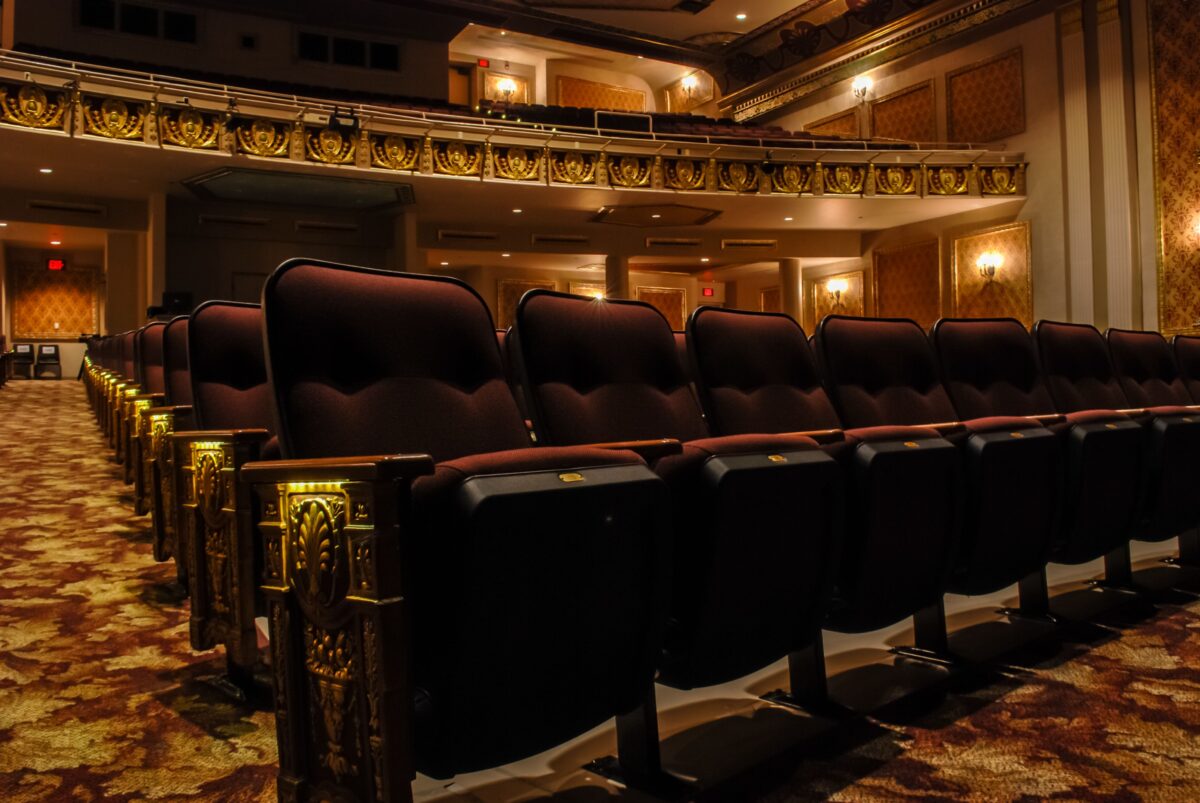
Nestled in the heart of downtown Toledo, Ohio, the Valentine Theatre stands as one of the city’s most treasured cultural landmarks. For well over a century, this historic venue has welcomed generations of audiences through its doors, providing unforgettable experiences in live entertainment, music, drama, dance, and film. While many historic theaters across the country have disappeared due to changing times and urban development, the Valentine Theatre has survived thanks to dedicated community support and a commitment to preserving Toledo’s rich artistic heritage. Today, it continues to bridge the past and present, offering a vibrant home for performing arts while honoring its remarkable history.
A Grand Beginning
The Valentine Theatre first opened its doors on Christmas Day in 1895. It was commissioned by businessman George H. Ketcham and named in honor of his late father, Valentine H. Ketcham, a respected Toledo pioneer and banker. Designed by renowned architect E.O. Fallis, the building quickly gained recognition for its impressive architecture and elegant interior. At the time of its opening, many considered it one of the finest theaters west of the Allegheny Mountains.
The inaugural performance featured legendary actor Joseph Jefferson portraying Rip Van Winkle, setting a high standard for the productions that would follow. Throughout the late nineteenth and early twentieth centuries, the Valentine Theatre attracted nationally acclaimed performers and touring companies, making Toledo an important destination on the American theatrical circuit.
The Golden Age of Live Entertainment
During its early decades, the Valentine Theatre flourished as a premier venue for live performances. Audiences enjoyed Broadway productions, dramatic plays, orchestras, opera, comedy acts, and dance performances. Many famous entertainers graced its stage, including Sarah Bernhardt, George M. Cohan, W.C. Fields, John Philip Sousa, Anna Pavlova, and members of the Barrymore acting family.
These performances helped establish Toledo as a thriving cultural center. Residents no longer needed to travel to larger cities for world-class entertainment because many of the country’s finest artists came directly to the Valentine.
Its beautifully decorated auditorium, comfortable seating, and exceptional acoustics created an unforgettable experience for theatergoers. For many local families, attending a performance at the Valentine became a cherished tradition.
Transition to Motion Pictures
As motion pictures became increasingly popular during the early twentieth century, many traditional theaters adapted to changing audience preferences. In 1917, the Valentine Theatre was acquired by Loew’s, which converted the venue into a movie theater.
Several renovations followed during the 1930s and 1940s to modernize the building. The most dramatic transformation occurred in 1942 when the interior was redesigned in an elaborate Chinese Art Deco style. Decorative murals, vibrant colors, sweeping architectural lines, and neon lighting created a completely new atmosphere while reflecting the artistic trends of the era.
Although the theater successfully embraced cinema, these renovations significantly altered many of its original Victorian design elements.
Years of Decline
Like many downtown theaters throughout America, the Valentine eventually faced difficult times. Following World War II, suburban growth, shopping centers, and multiplex cinemas gradually drew audiences away from historic downtown entertainment districts.
Many neighboring theaters closed their doors permanently or were demolished during urban renewal efforts. By the early 1980s, the Valentine Theatre stood as one of the last surviving historic theaters in downtown Toledo.
There was serious concern that it, too, might be lost forever.
Community Efforts Save a Landmark
Fortunately, local residents recognized the importance of preserving this architectural and cultural treasure. A passionate grassroots campaign known as “Save the Valentine Theatre” united citizens, civic leaders, preservationists, and arts organizations.
Their determination ultimately prevented demolition and inspired an ambitious restoration project. The Toledo Cultural Arts Center led fundraising efforts that spanned more than two decades, securing approximately $28 million through public and private support.
The restoration carefully balanced historical preservation with modern performance requirements. Construction added rehearsal rooms, offices, dressing rooms, and updated technical equipment while preserving much of the theater’s historic character.
After years of planning and restoration, the newly renovated Valentine Theatre officially reopened in October 1999, marking the beginning of an exciting new chapter.
The Valentine Theatre Today
Today, the Valentine Theatre serves as one of northwest Ohio’s premier performing arts venues. With seating for approximately 900 guests, it hosts an impressive variety of performances throughout the year.
Visitors can enjoy Broadway touring productions, concerts, classical music, ballet, opera, comedy, educational programs, community theater, and special events. The theater is also home to several resident arts organizations, including the Toledo Opera, Toledo Symphony, Toledo Ballet, Toledo Repertory Theatre, and numerous community groups.
Modern lighting systems, sound technology, stage equipment, and backstage facilities allow the theater to accommodate both professional touring productions and local performances while maintaining its historic charm.
The Valentine also offers educational opportunities for students through school matinee programs, workshops, and community outreach initiatives that introduce young audiences to the performing arts.
Preserving History While Embracing the Future
One of the Valentine Theatre’s greatest accomplishments is its ability to honor its past while adapting to the needs of modern audiences. Rather than becoming simply a museum piece, it remains a living performance venue where history and contemporary entertainment exist side by side.
Visitors often admire not only the performances but also the building itself. Historic architectural details, carefully restored public spaces, and exhibits celebrating the theater’s rich history provide guests with a deeper appreciation of Toledo’s cultural legacy.
The theater continues to invest in improvements that enhance visitor comfort, accessibility, and technical capabilities without sacrificing the historic atmosphere that makes it unique.
Economic and Cultural Impact
Beyond entertainment, the Valentine Theatre plays an important role in downtown Toledo’s economic vitality. Thousands of visitors attend performances each year, supporting nearby restaurants, hotels, shops, and local businesses. The theater contributes significantly to tourism while strengthening the city’s identity as a destination for arts and culture.
Equally important is its role in bringing people together. Families, students, artists, and visitors from across the region gather under one roof to experience performances that inspire creativity, celebrate diversity, and foster community connections.
Looking Ahead
As the Valentine Theatre approaches future milestones, its mission remains focused on preserving its remarkable heritage while expanding opportunities for artistic expression. Continued community support, innovative programming, and educational outreach ensure that future generations will experience the same sense of wonder that audiences first felt more than 130 years ago.
The Valentine Theatre represents far more than an elegant historic building. It symbolizes Toledo’s resilience, appreciation for the arts, and commitment to preserving its cultural history. From its celebrated opening in 1895 to its thriving role today, the Valentine continues to prove that great theaters can remain vibrant, relevant, and inspiring for generations to come.
Generated by ChatGPT