
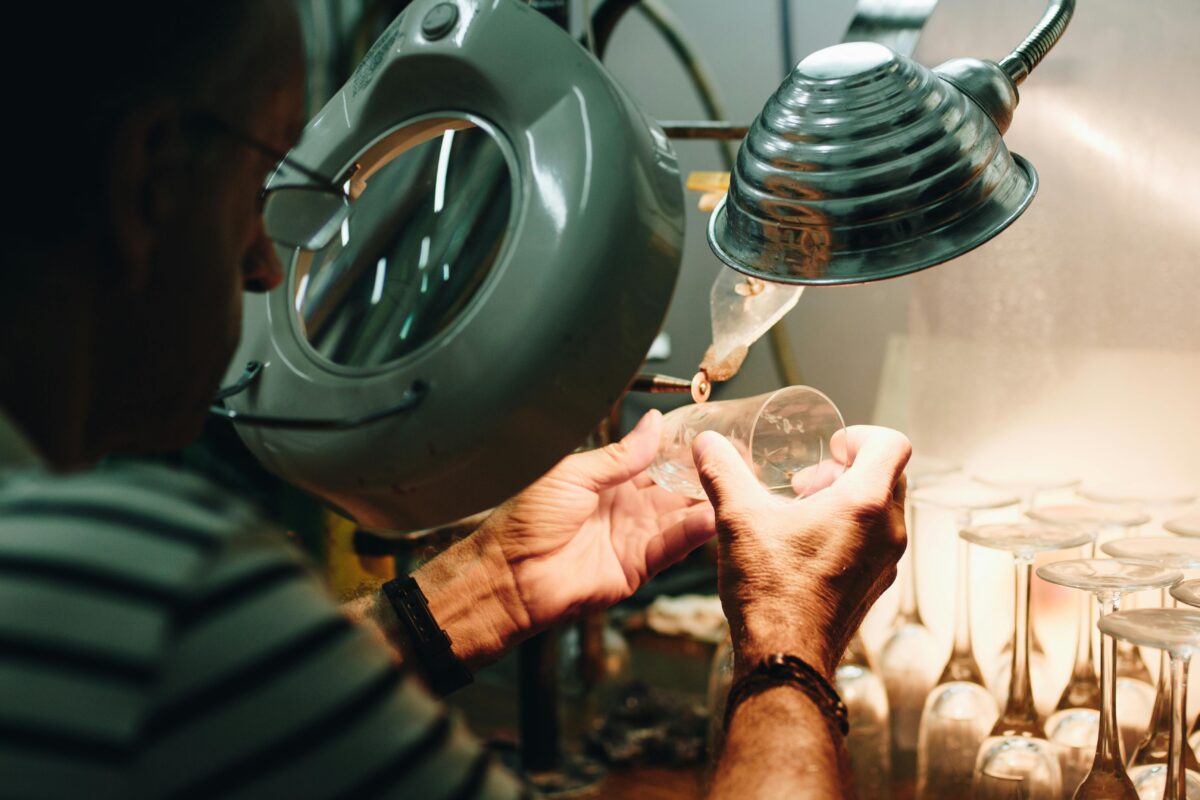
When people hear “Toledo,” one word often comes to mind: glass. Long before it was nicknamed the “Glass City,” Toledo was a growing industrial town along the Maumee River, known for its factories, shipping, and access to raw materials. Over time, those same strengths made it the epicenter of America’s glass industry. From innovations that shaped modern architecture to artistic breakthroughs that transformed design, Toledo’s glassmaking legacy continues to shine today.
This is the story of how a Midwestern city became the glass capital of the world.
Early Beginnings: Why Toledo Became a Hub
The story begins in the late 19th century. At that time, Toledo was a bustling industrial city thanks to its location on the Great Lakes and its growing railroads. Companies recognized that the region offered both natural resources and excellent transportation routes.
When natural gas was discovered in nearby Findlay, Ohio, in the 1880s, glassmakers quickly saw an opportunity. Glass production requires intense, consistent heat, and natural gas provided a cheaper and cleaner fuel source than coal. By the 1890s, Toledo had attracted multiple glass companies eager to take advantage of this new resource.
The city’s first major player was the New England Glass Company, which relocated operations to Toledo in 1888. Soon after, other manufacturers followed, and the foundation for Toledo’s glassmaking dominance was laid.
The Rise of Libbey Glass
No name is more closely tied to Toledo’s glass story than Libbey Glass. Founded in Massachusetts in 1818, the company moved its operations to Toledo in 1888, lured by the promise of cheaper fuel and strong local support. Under the leadership of Edward Drummond Libbey, the company revolutionized the industry.
One of Libbey’s most significant contributions was automating the glassmaking process. Working with inventor Michael Owens, the company developed machines that could mass-produce bottles, tumblers, and other glassware. This dramatically lowered costs and increased efficiency, helping make glass products affordable for everyday households.
Libbey Glass also pioneered decorative glassware, producing elegant designs that appealed to both American and international markets. Their products became household staples, cementing Toledo’s reputation as the Glass City.
Owens-Illinois: Changing the World of Packaging
The partnership between Michael Owens and Libbey went far beyond household glassware. Owens, a brilliant inventor, perfected the automatic bottle-making machine in the early 1900s. Before this invention, bottles were made by hand, a slow and inconsistent process. Owens’ machine could produce bottles at unprecedented speeds, transforming industries like food, beverage, and medicine.
Owens’ innovation gave rise to Owens Bottle Company, which later merged with Illinois Glass Company to form Owens-Illinois (O-I) in 1929. Headquartered in Toledo, O-I became one of the world’s largest producers of glass containers. Its influence extended globally, and the company remains a major player in glass manufacturing today.
This was more than just a business success—it was a public health revolution. Owens’ bottles improved sanitation, consistency, and accessibility of everyday goods, changing how products were packaged and consumed worldwide.
Pilkington and the Glass Curtain Wall
By the mid-20th century, Toledo wasn’t just making bottles and tableware—it was helping to shape modern architecture. One of the city’s major breakthroughs came with the development of float glass technology, which allowed for large, flawless sheets of flat glass.
This innovation came from Pilkington Glass, which established a plant in Toledo. Float glass quickly became essential in creating skyscrapers, car windshields, and glass curtain walls for modern buildings. It revolutionized construction and design, enabling architects to create the gleaming skylines we associate with major cities today.
Toledo was no longer just a center of industrial production—it was at the forefront of global design innovation.
Glass and the Arts: Toledo’s Creative Side
While much of Toledo’s glass story is tied to industry, the city also played a vital role in glass as an art form. In fact, Toledo is considered the birthplace of the Studio Glass Movement, which forever changed how artists work with the material.
In 1962, ceramics artist Harvey Littleton and scientist Dominick Labino held workshops at the Toledo Museum of Art. Their goal was to show artists that they could melt and manipulate glass in small, personal studios—without needing massive industrial furnaces.
The experiment was groundbreaking. Artists across the country began working with glass as a sculptural and expressive medium, giving rise to a new era of creativity. Today, glass art is a respected field in galleries and museums worldwide, and it all traces back to those first workshops in Toledo.
The Toledo Museum of Art Glass Pavilion
No exploration of Toledo’s glass legacy would be complete without mentioning the Toledo Museum of Art’s Glass Pavilion, which opened in 2006. This stunning building is both a celebration of Toledo’s history and a showcase for its future.
The pavilion houses an extensive glass collection, with pieces ranging from ancient Roman artifacts to contemporary works. Visitors can also watch live glassblowing demonstrations, connecting Toledo’s industrial roots with its artistic spirit.
Architecturally, the building itself is a marvel—constructed almost entirely of curved glass walls, it stands as a modern symbol of the Glass City’s enduring influence.
Glass in Toledo Today
While the heyday of mass industrial production has shifted globally, glass remains central to Toledo’s identity. Owens-Illinois continues to operate internationally, Libbey Glass maintains headquarters in the city, and Pilkington (now part of NSG Group) is still a major player in architectural glass.
Equally important, the city continues to embrace its legacy through education, innovation, and tourism. Local universities and organizations promote glass research, while events like the Glass Art Society Conference bring international attention to Toledo.
For residents and visitors, glass is everywhere—from public art installations downtown to the glass exhibits at the museum. The nickname “Glass City” isn’t just history—it’s a living identity.
Why Toledo’s Glass Legacy Matters
The story of Toledo’s glassmaking isn’t just about factories and products—it’s about innovation, creativity, and resilience. The industry shaped the city’s economy, fueled global breakthroughs, and even changed everyday life across the world.
More than that, it demonstrates how a city can take natural advantages—like location and resources—and transform them into something enduring. Toledo’s ability to adapt, from industrial might to artistic creativity, shows the power of reinvention.
Toledo’s glassmaking legacy is a story of invention, artistry, and global impact. From Owens’ bottle machine to the Studio Glass Movement, the city has consistently been at the center of glass innovation. Today, the legacy lives on in its companies, museums, and cultural identity.
For locals, it’s a source of pride. For visitors, it’s a reason to explore. And for the world, it’s a reminder that sometimes the brightest innovations can come from unexpected places.
The Glass City has truly earned its name—and its story continues to shine.
Generated by ChatGPT